
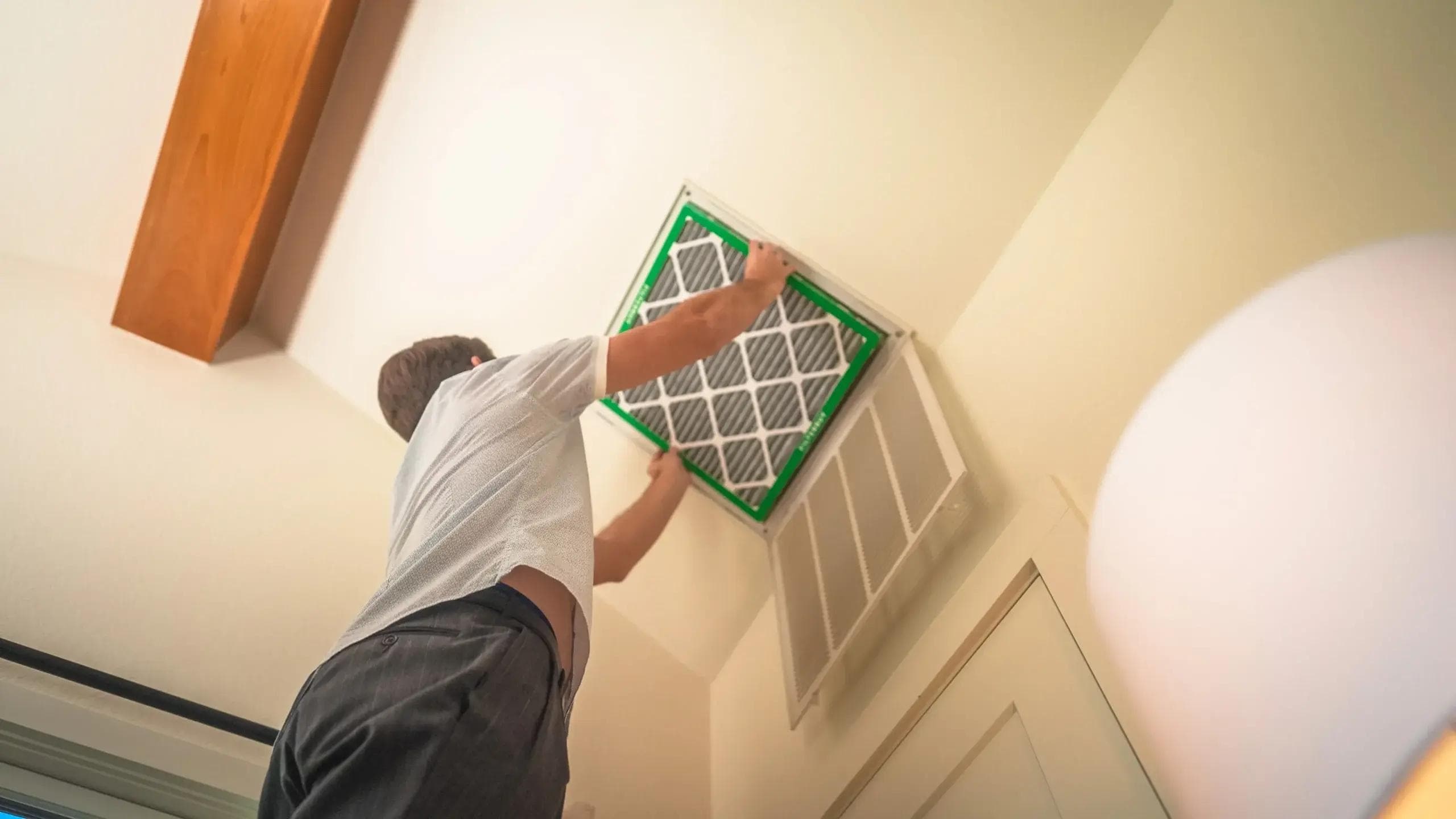
Choosing a Filter Size for Renovated Queensland Homes
Renovating a Queensland home often changes more than the look and feel of the space. Opened-up rooms, moved walls, new returns, extra living areas and upgraded air conditioning can all affect how air moves through the house, which means the original filter size may no longer be the best fit.
If you are a homeowner, builder or mechanical contractor, it is worth checking the filter arrangement early in the renovation process. A filter that once suited the system and layout may become awkward to access, too small for the new return air opening, or mismatched to the revised airflow path.
Why renovations change filter requirements
A renovation can alter the way the return air side of the system works. That matters because the filter sits in the airflow path and needs to suit the physical opening, the available space, and the system’s operating conditions.
Common renovation changes that affect filter selection include:
- •removing or relocating internal walls that change room volumes
- •opening up living areas, which can change how air is collected and returned
- •adding a new room, extension or enclosed patio
- •moving the return air grille to a different wall or ceiling location
- •changing cabinetry, bulkheads or service access around the filter slot
- •replacing an old air conditioning unit with a different cabinet size or airflow arrangement
If the return air path changes, the old filter size may still physically fit the frame, but it may not be the most practical or effective option for the renovated layout.
Why the old filter size may no longer suit
Many homes are renovated in stages. A filter that worked before demolition may be a poor match once the new layout is complete, especially if the return air grille or filter housing has not been redesigned at the same time.
You may need to rethink filter size if:
- •the opening has been enlarged, reduced or shifted
- •the new fit-out leaves less clearance for filter removal and replacement
- •the system has been upgraded to a different return air cabinet or duct arrangement
- •there is more dust load during and after the renovation works
- •the original filter was selected for a layout that no longer exists
A filter should fit securely without bypass around the edges. If air can move around the filter rather than through it, the system is not using the filter as intended. In renovation work, a poor fit often comes from assuming the old size will work simply because it once did.
Check the return air path, not just the filter dimensions
Filter size is only one part of the decision. The return air path, grille position and access arrangement can matter just as much.
Before ordering a replacement or specifying a new setup, check:
- •the actual clear opening available for the filter
- •the depth available in the return air cabinet or filter rack
- •whether the filter can be removed without damaging trim, cabinetry or plasterwork
- •whether the new room layout has changed how air reaches the return point
- •whether there are other filters in the system that also need checking
For anyone measuring a replacement, our guide on how to measure an air filter is a useful place to start. If the renovation has created a non-standard opening, custom air filters may be a practical option.
Matching the filter to the system after renovation
The right filter size needs to suit the equipment and the site conditions, not just the nameplate on the old unit. If the renovation has involved a system upgrade, the new cabinet or ductwork may require a different filter format altogether.
When checking the setup, look at:
- •the filter frame type and overall dimensions
- •the available face area and how the filter seats in the frame
- •the airflow direction and any arrows on the filter frame
- •whether the system uses a single panel filter or another configuration
- •whether the new installation has enough space for routine inspection and replacement
If the system is part of a larger mechanical ventilation arrangement, site requirements should be confirmed with the mechanical services engineer or building owner. For projects where ventilation design matters, AS 1668.2:2024 may be relevant, but the correct approach depends on the specific installation.
Dust load during renovations
Renovation sites usually produce more dust and debris than a finished home. That does not mean a larger filter is always the answer, but it does mean the filter choice and inspection routine should be reviewed.
During and after the works, consider:
- •more frequent visual checks where site conditions are dusty
- •whether the filter is loading up faster than before
- •whether temporary construction dust has entered the return air path
- •whether the system should be protected while building works are underway
Inspection frequency depends on the system, site conditions and dust load. Follow the filter and equipment manufacturer instructions, and monitor pressure drop where gauges are fitted. If the reading rises as the filter loads, that is a useful sign that the filter should be inspected and assessed.
Choosing the right replacement in practice
A good renovation check starts with accurate measurement and a clear understanding of how the return air opening has changed. That is especially important when the existing filter was cut to suit an older frame or a custom cabinet built around the original layout.
Practical steps include:
- •measure the filter opening carefully, including depth and seating area
- •confirm whether the old filter was a standard size or a made-to-measure product
- •inspect the frame for damage, warping or gaps after demolition and fit-out
- •check whether the new room layout has changed airflow paths to the return grille
- •confirm any filter media requirements with the manufacturer or system designer
Some filters are designed to be washable - check the product instructions. If the product is not designed for washing, clean or reuse it only as directed by the manufacturer.
If you are comparing product types, our our products page can help you identify options suited to different systems and applications.
When to involve a filter supplier
In renovation work, a supplier can help you avoid ordering a filter that fits the wrong frame or interferes with access. This is particularly useful when the return air cabinet has been altered, the air conditioning unit has been replaced, or the original filter details are no longer available.
A supplier may be able to assist with:
- •identifying the likely filter size from measurements or photos
- •making a replacement to suit a non-standard opening
- •checking whether the filter style matches the system layout
- •supplying filters for residential, trade or project work
If the renovation also affects ongoing maintenance access, it is worth discussing that before the final finishes go in. A well-sized filter is much easier to service when the surrounding joinery and access panel have been planned around it.
Getting the right fit for a renovated Queensland home
Renovations can change return air requirements in ways that are easy to miss until the new system is in place. The old filter size may still look familiar, but the right choice depends on the updated opening, airflow path and service access.
Total Air Filtration is a family-owned air filter manufacturer and supplier in Hillcrest, Brisbane QLD, and we can help supply or make the right filters for renovated homes and projects. Call 07 3800 3448 or request a quote when you are ready to confirm the size.
If you need help with an unusual opening or a practical replacement approach, you can also contact us or explore custom air filters.
Written by
The Total Air Filtration Team
General information only — always follow the instructions for your filter and system. Have questions about this article? We're here to help.