
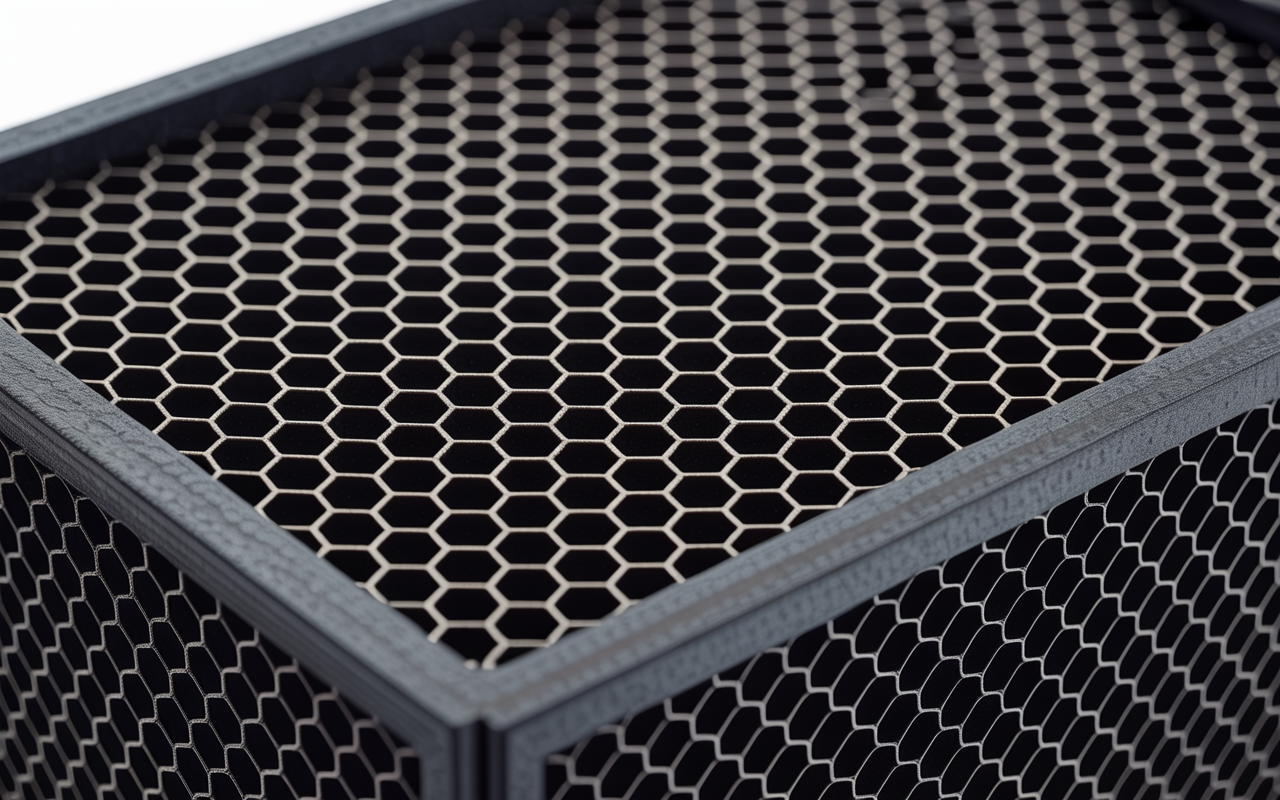
Carbon Filtration for Boardroom Odours from Catering, Carpets and Markers
Boardrooms and executive spaces often need to do more than look clean. They also need to smell neutral, especially after catered lunches, coffee breaks, marker-heavy presentations or events where people have been in and out all day.
When odours linger, activated carbon can be a practical part of the air filtration setup. It is not the right answer for every space, but in the right application it can help manage unwanted smells that standard particle filters are not designed to capture.
Why odours hang around in meeting spaces
Boardrooms are often enclosed, used intermittently and fitted out with materials that can hold or release odours over time. That combination makes smells more noticeable, particularly when a room is closed between meetings or used for longer functions.
Common odour sources include:
- •Catering waste, warm food, coffee and confectionery
- •Carpets, underlay, adhesives and soft furnishings
- •Whiteboard markers, permanent markers and presentation supplies
- •Cleaning products used before or after events
- •People movement through adjacent kitchens, lunch rooms or breakout areas
These odours may come from gases and volatile compounds, not just dust. A standard particle filter can trap airborne particles, but it will not adsorb gaseous odours in the same way activated carbon can.
When activated carbon is worth considering
Activated carbon works by adsorbing certain gases and odour molecules onto a highly porous surface. In meeting rooms and executive spaces, that makes it useful when the main complaint is smell rather than visible dust.
It is often considered when:
- •A boardroom is regularly used for catered meetings or training sessions
- •A space has new carpets, vinyl, joinery or furniture that still gives off odour
- •Marker pens, printers or presentation materials create a noticeable smell
- •Odours drift in from nearby kitchens, cafés or staff areas
- •A room must be ready for the next meeting without persistent stale odour
Activated carbon is usually best used as part of a broader filtration strategy, not as a stand-alone fix. The air handling arrangement, outdoor air supply, occupancy pattern and internal materials all affect how much odour remains in the room.
What carbon filters can and cannot do
Carbon filters are useful, but they are not magic. They are designed for odour and gas control, not for every air quality issue.
They can help with:
- •Odours from food and drink preparation
- •Some marker and solvent smells
- •General stale air complaints after events
- •Certain low-level gaseous contaminants, depending on the carbon media used
They are not the right tool for:
- •Heavy dust loading on their own
- •Large amounts of airborne particles without a suitable prefilter
- •Moisture problems, leaks or mould sources that need building fixes
- •Odours that are coming from a hidden source, such as damp carpet, a drain issue or waste storage
If a room smells musty, damp or mouldy, the source should be investigated first. Carbon may mask the odour, but it will not solve the underlying issue.
How carbon is typically used in boardroom HVAC systems
In commercial air systems, activated carbon is commonly added as a separate stage or incorporated into a panel, pleated or cassette-style filter arrangement. The exact approach depends on the unit, available space and the type of odour being targeted.
Common applications
- •Supply air units serving boardrooms or executive suites
- •Recirculation systems where odour build-up is a recurring issue
- •Localised filtration for conference rooms, presentation spaces or meeting hubs
- •Upgrade paths for existing systems where space allows an extra filtration stage
For designers and mechanical contractors, the main practical questions are how much space is available, what air flow the unit can handle and whether the system can accommodate the pressure drop of the carbon media without affecting performance.
If you are planning a new setup or retrofit, it can help to compare the existing filter housing and dimensions before ordering. how to measure an air filter is a useful place to start.
Getting the balance right with particle and odour control
Boardroom air often needs both particle filtration and odour control. A carbon stage may be paired with a particulate prefilter so dust, lint and larger debris do not load the carbon too quickly.
That approach is particularly relevant in offices where:
- •There is regular visitor traffic
- •Catering trays and packaging are moved through the space
- •The room is close to a kitchen, print area or breakout zone
- •The HVAC system recirculates air for long periods
In some cases, higher efficiency particle filters may also be appropriate where the system and design allow. If you are working with HEPA filters, note that H13 is at least 99.95% efficient and H14 is at least 99.995% efficient at the most penetrating particle size under EN 1822. For broader commercial filtration choices, the applicable rating system should be matched to the equipment and project requirements rather than assumed to convert directly from one standard to another.
For general commercial supply options, see our products or industries we supply.
What facility managers should check before choosing carbon
Before specifying activated carbon for a meeting room or executive space, it is worth reviewing the practical details rather than focusing only on the filter media name.
Useful checks include:
- •What odours are actually being reported
- •Whether the source is internal, external or both
- •Whether the air handler has room for a deeper or combined filter stage
- •Whether pressure drop can be monitored where gauges are fitted
- •Whether the filter housing seals properly and is in good condition
- •Whether the same system also needs better particle capture
Inspection frequency depends on the system, site conditions and dust load. Follow the filter and equipment manufacturer instructions, and monitor pressure drop where gauges are fitted so filters are changed when performance indicates it is time, not just by the calendar.
If you are unsure what fits the unit, custom air filters may be the right path when standard sizes or media combinations are not suitable.
Standards, maintenance and practical project alignment
For mechanical contractors and building teams, odour control still needs to sit within the broader ventilation design. If the system is being reviewed or upgraded, site requirements should be confirmed with the mechanical services engineer or building owner, and relevant ventilation considerations referenced against AS 1668.2:2024 where applicable.
Some filters are designed to be washable - check the product instructions. That said, carbon media itself is generally not treated the same way as a washable particle filter, so product selection and maintenance guidance matter.
If you are coordinating ongoing upkeep for a commercial site, filter servicing and commercial filter servicing can help keep replacement and inspection planning organised around the actual system rather than guesswork.
Choosing the right carbon solution for your space
Activated carbon is most useful in boardrooms and executive spaces when the problem is lingering odour after catering, presentations or busy periods, and when the source is suitable for adsorption rather than a building fault that needs repair.
If the room is frequently used for events, or if staff and visitors are noticing stale or distracting smells, a properly specified carbon stage can make the air handling system more appropriate for the way the space is used.
Total Air Filtration is a family-owned air filter manufacturer and supplier in Hillcrest, Brisbane QLD, established 2009. We can help you supply or make the right filters for your application. Call 07 3800 3448 or request a quote.
Written by
The Total Air Filtration Team
General information only — always follow the instructions for your filter and system. Have questions about this article? We're here to help.