
Bushfire Smoke Readiness for Queensland Buildings: A Filtration Planning Guide
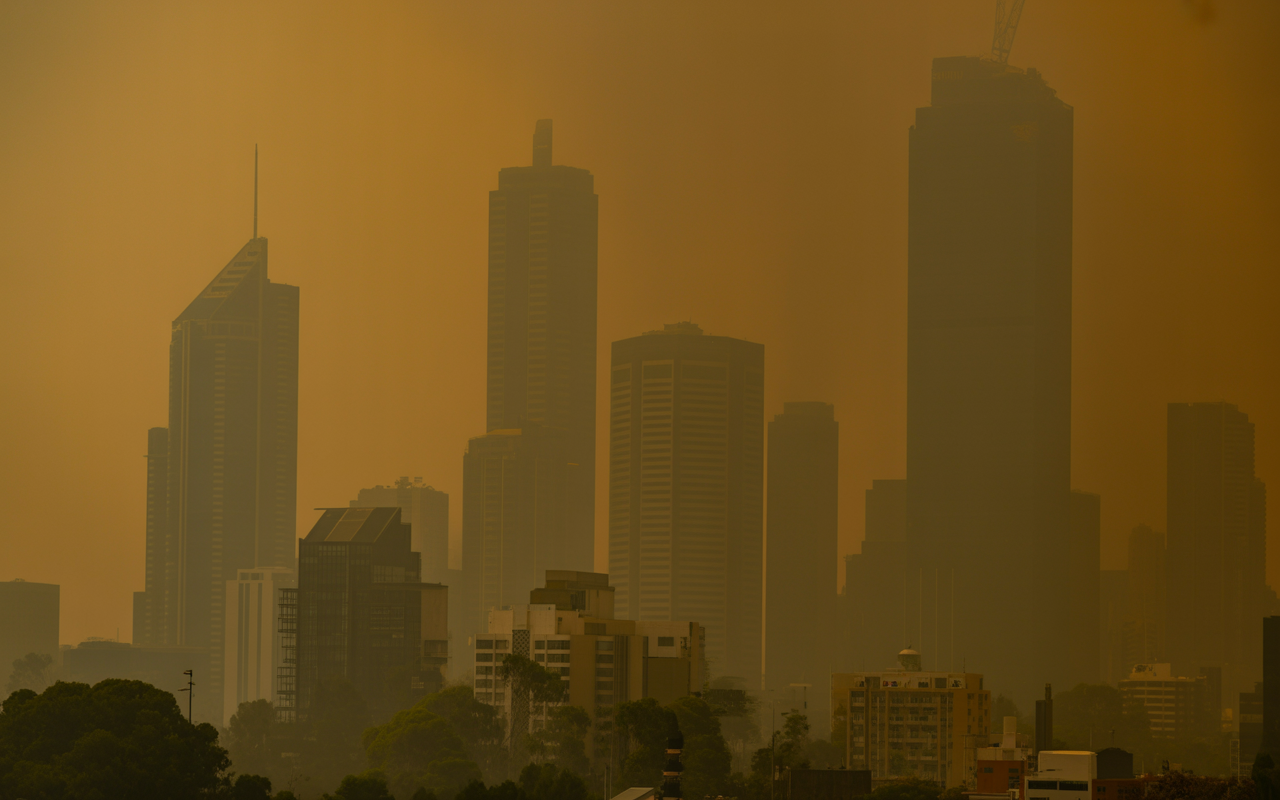
Bushfire smoke can move through Queensland quickly, and buildings that rely on mechanical ventilation have limited time to react once conditions deteriorate. A good filtration plan is not something to figure out during a smoke event; it should be checked in advance, along with the condition of the system, the plant room and the spare filters on hand.
For facility managers, homeowners and contractors, the aim is simple: understand what your system can handle, identify weak points, and make sure the right filters and change-out plan are ready before smoke arrives.
Start with the building’s ventilation layout
Before changing any filter, it helps to know exactly how air moves through the building. Different systems bring in outdoor air in different ways, and not every unit has the same room for higher-resistance filtration.
Check the following:
- •where outdoor air enters the system
- •which units serve occupied spaces versus common areas
- •whether the system uses a single central unit or multiple smaller units
- •whether there are return air paths that may draw smoke deeper into the building
- •whether the system includes pre-filters, final filters or both
If you are not sure how the filter sits in the frame or what size you need, measuring the existing filter correctly matters. Our guide on how to measure an air filter can help avoid ordering the wrong size.
If the building has had recent renovations, tenant fit-outs or plant upgrades, it is worth checking whether the current filter arrangement still matches the actual airflow path.
Know the system limits before upgrading filters
A better particle filter is not always a simple swap-in. More restrictive filters can increase pressure drop, and if the system is not designed for that load, airflow can be affected.
Before changing filtration levels, confirm:
- •the fan can cope with the proposed filter arrangement
- •the filter rack seals properly and does not allow bypass around the frame
- •there is space for deeper or additional filters if needed
- •pressure gauges or differential pressure monitoring are working where fitted
- •the mechanical services engineer or building owner has confirmed site requirements, especially where AS 1668.2:2024 is being used as the reference point for ventilation decisions
If the system has no pressure monitoring, that is worth addressing before smoke season. Without it, there is no practical way to know when filters are loading up.
Check the plant room, not just the occupied spaces
Smoke readiness often fails in the plant room long before occupants notice any change. A filter plan is only useful if the surrounding equipment is clean, accessible and maintained.
Look for signs that the plant room needs attention:
- •dust accumulation on ductwork, fan housings and intake grilles
- •damaged access doors or missing gaskets
- •evidence of bypass around filter frames
- •loose clips, distorted holding frames or poor sealing surfaces
- •blocked condensate drainage or other maintenance issues that may complicate filter servicing
The plant room should also be easy to work in during a high-demand period. If filters are difficult to access, or the space is cluttered, change-outs become slower and less reliable.
For buildings with regular maintenance programs, this is a good time to review filter servicing or commercial filter servicing so the system is not being managed reactively during smoky weather.
Inspect pre-filters and final filters separately
Where a system uses more than one stage, each layer has a job to do. Pre-filters capture larger dust and debris before the finer filter loads up, while final filters handle finer particles.
During readiness checks, look at both stages:
- •make sure the pre-filter is fitted the correct way around
- •confirm the final filter is seated properly and not warped
- •check for tears, gaps, compression damage or collapsed media
- •replace any filter that is visibly dirty, damaged or has passed its usable life according to the equipment instructions
If the system uses bag filters, panel filters or pleated filters, the same principle applies: keep the seal tight and the airflow path clean.
Choose the right filter strategy for smoke conditions
Bushfire smoke creates a different challenge from everyday dust. The goal is to capture fine particles efficiently while keeping airflow stable enough for the building to operate as intended.
That usually means thinking in layers rather than relying on a single product.
A practical smoke-response setup may include:
- •a coarse pre-filter to catch larger dust and extend the life of the finer stage
- •a finer final filter selected for the system’s airflow and frame depth
- •spare filters stored cleanly and ready for use when outdoor conditions change
- •a documented plan for when to inspect, monitor and replace filters based on dust load and pressure drop
If you are comparing filter types, remember that MERV, EN 779 and ISO 16890 are different rating systems and do not convert directly. In Australia, G3/G4/F5-F9 are still commonly referenced from EN 779 even though ISO 16890 is now widely used.
For higher-efficiency filtration applications, HEPA filters may be relevant in some systems. H13 filters are at least 99.95% efficient at the most penetrating particle size under EN 1822, and H14 filters are at least 99.995% efficient at the most penetrating particle size under EN 1822. Whether those grades are appropriate depends on the equipment, the casing and the site requirement.
Plan for change-outs before the smoke arrives
The most useful time to inspect and prepare filters is before conditions worsen. Once smoke is already present, technicians may be dealing with access delays, supply pressure and limited time to complete maintenance safely.
A useful preparation plan includes:
- •checking existing stock of common sizes and grades
- •confirming the correct frame depth, seal type and dimensions
- •reviewing the condition of filter housings and gaskets
- •making sure staff know who is responsible for replacement and monitoring
- •storing spare filters in a clean, dry area away from dust and moisture
Some filters are designed to be washable - check the product instructions. If a product is not designed for washing, do not assume it can be cleaned and reused safely.
If the building has unusual sizes, odd-shaped frames or legacy equipment, consider custom air filters so the replacement actually fits and seals as intended.
Residential buildings and homes need a different approach
Homeowners often focus on portable units, but ducted systems also need attention before smoke events. Check whether the return air grille, filter slot and fan unit are clean and properly sealed.
For homes and small sites:
- •inspect the existing filter condition before smoke season begins
- •confirm the filter size before buying replacements
- •look for gaps around the filter edge where unfiltered air can bypass
- •keep access panels clear so changes can be made quickly
- •if the system has a fresh air intake, confirm how it is closed off or managed during smoke events
If you are unsure what product suits your unit, browse our products or speak with a supplier who can match the filter to the system, not just to the approximate size.
Build a simple smoke response procedure
A written procedure does not need to be complicated. It just needs to be clear enough that the right steps happen when the sky changes and the building team is busy.
Your procedure can include:
- •who checks the plant room first
- •which filters are held as spares
- •when to inspect pressure drop if gauges are fitted
- •when to reduce outdoor air intake, where the system design allows it
- •who authorises filter replacement or emergency servicing
- •how to record the date, filter type and observed condition after each change
For multi-site organisations, consistency matters. The same logic should apply across sites, while still allowing for local system differences and site-specific instructions.
Need help preparing the right filters?
Total Air Filtration is a family-owned air filter manufacturer and supplier in Hillcrest, Brisbane QLD, established in 2009. We can help supply or make the right filters for your building, including standard and custom options, and support planning before smoke season arrives.
If you need guidance on sizing, specification or replacement options, call 07 3800 3448 or request a quote. You can also contact us for help matching filters to your system.
Written by
The Total Air Filtration Team
General information only — always follow the instructions for your filter and system. Have questions about this article? We're here to help.