
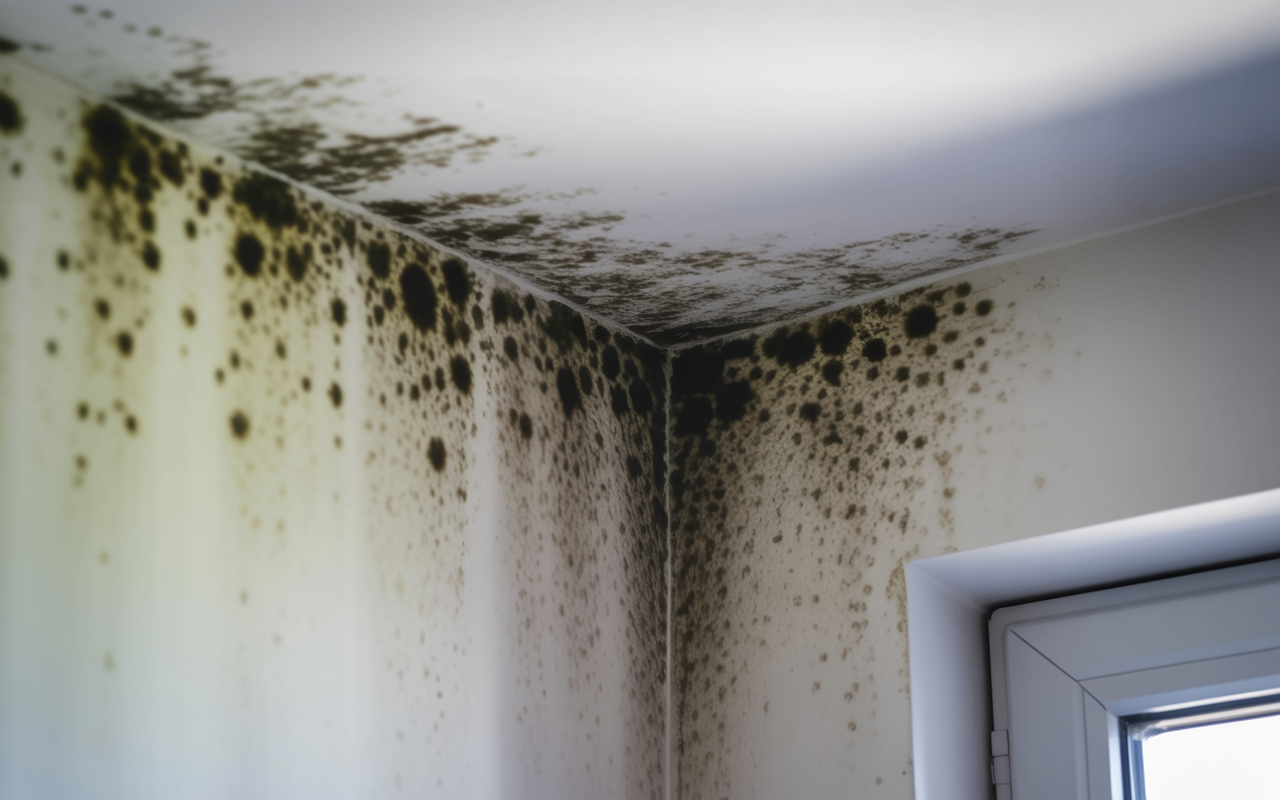
Best Practice for Handling Mould-Contaminated Filters in Damp Brisbane Plant Rooms
Damp plant rooms can turn a routine filter change into a messy contamination job. If a filter shows visible mould growth, water staining, collapse, or a strong odour of dampness, treat it as contaminated equipment and remove it with a clear plan.
For facility managers and contractors, the priority is to stop spores and dust from spreading through the plant room, protect workers during removal, and dispose of the filter in a way that suits the site’s waste requirements. The right approach depends on the system, the level of contamination, and the surrounding environment.
Why mould appears on filters in damp plant rooms
Mould growth usually points to a moisture problem somewhere in or around the air handling system. In Brisbane plant rooms, common contributors include high humidity, condensation on cold surfaces, poor drainage, leaks, failed seals, or extended shutdowns in damp conditions.
A filter that has absorbed moisture can lose shape, restrict airflow, and trap more debris than intended. Once a filter media becomes damp, it can also become harder to handle cleanly during removal.
Before touching the filter, check for the source of moisture and consider whether other parts of the system may also be affected. If the issue is widespread, the filter change should be part of a broader maintenance response rather than a stand-alone task.
Signs that call for careful handling
- •Visible mould growth on the media, frame, or gasket
- •Water staining, sagging, or a collapsed filter pack
- •Condensation on nearby ductwork or the filter bank
- •Musty or damp odour from the housing
- •Rust, dirt build-up, or signs of water entry in the cabinet
Set up containment before removal
Containment helps keep loosened dust and mould from escaping into the plant room and nearby access areas. For a small, straightforward change-out, a simple local containment approach may be enough. For heavier contamination, more isolation and cleaning control may be needed.
Start by reviewing the task with the site contact and confirming whether the space can be isolated safely. If the system is serving occupied areas, coordinate shutdowns and access so that removal does not disturb other work or create unnecessary airflow.
Practical containment steps include:
- •Switch off or isolate the relevant system before opening the housing, where site procedures allow
- •Keep the access panel closed until PPE is on and bagging materials are ready
- •Place a clean drop sheet or disposable liner below the work area if practical
- •Use low-disturbance movements when loosening the old filter
- •Keep the replacement filter sealed until installation
If the installation has multiple stages or a difficult access layout, plan the removal path before opening the housing. That may mean using a second person to receive the bagged filter or clearing a path to the waste holding area first.
PPE for mould-contaminated filter handling
The right PPE depends on the level of visible contamination and the site’s safe work procedures. The aim is to reduce direct contact with dust, damp debris, and any residue on the filter frame or housing.
At a minimum, workers should consider:
- •Disposable gloves suitable for dirty work
- •Long sleeves or disposable coveralls where contamination is visible
- •Eye protection to avoid debris entering the eyes
- •A well-fitted respiratory protector appropriate to the site risk assessment
PPE should be put on before the housing is opened and removed carefully after the contaminated material is bagged. If the filter has sharp frame edges, broken wire, or saturated media, handle it slowly to avoid tearing the bag or shedding debris.
If workers are unsure what level of PPE is suitable, the site’s risk assessment, contractor procedures, and the mechanical services engineer’s instructions should guide the job. People with health concerns should seek medical advice if needed.
Bagging the filter without spreading contamination
Bagging is the point where many routine filter changes go wrong. A damp or mould-contaminated filter can release debris if it is dragged, shaken, or carried without support.
Use bags that are strong enough for the filter size and condition. If the filter is large, awkward, or saturated, consider double-bagging so the outer bag stays clean enough to move through the plant room.
A practical handling sequence is:
- •Open the housing only when the bag and disposal path are ready
- •Ease the filter straight out rather than twisting or flicking it
- •Keep the dirty face inward where possible
- •Slide or lower the filter directly into the bag instead of carrying it uncovered
- •Seal the bag before moving it away from the equipment
If the filter frame is rigid and the media is wet, support both ends so the filter does not bow or split. If the housing has rails or slides, inspect them for residue and clean them as part of the same task.
What not to do
- •Do not bang the filter to dislodge dust
- •Do not leave the removed filter uncovered in the plant room
- •Do not carry a contaminated filter through clean areas without sealing it first
- •Do not reuse damaged bags or containers
- •Do not install the new filter into a dirty or wet housing without checking the source of the problem
Disposal and post-removal clean-up
Once bagged, the filter should be removed from the plant room in line with site waste procedures and local disposal requirements. Some sites will treat contaminated filters as general waste, while others may require a specific disposal process depending on the contamination level and the building’s maintenance rules.
Before fitting the replacement filter, inspect the housing, seals, holding frames, and nearby surfaces. If there is residue, damp dust, or mould on the cabinet, it should be cleaned using an appropriate method for the material and site conditions.
If the housing remains wet or contaminated, installing a new filter straight away may only repeat the problem. In that case, fix the moisture source first, then complete the replacement once the area is ready.
It is also worth checking:
- •Drain lines and pans for blockages or overflow
- •Door seals and access panel fit
- •Signs of air bypass around the frame
- •Whether nearby insulation or lining has absorbed moisture
For sites operating to AS 1668.2:2024, confirm any specific ventilation or maintenance requirements with the mechanical services engineer or building owner. Filter selection and handling should suit the equipment and the site’s documented procedures.
Preventing repeat mould issues
The best way to reduce repeat contamination is to treat the cause, not just the filter. If a plant room stays damp, a new filter can become contaminated quickly even when it is installed correctly.
Focus on practical maintenance checks such as:
- •Monitoring pressure drop where gauges are fitted
- •Inspecting the system at a frequency that suits the site conditions and dust load
- •Confirming the filter type matches the application and airflow needs
- •Checking for leaks, ponding water, and condensation points
- •Making sure access panels and gaskets seal properly
If the existing filter is not suited to the environment, the replacement may need a different construction or media type. Some filters are designed to be washable - check the product instructions before assuming a product can be cleaned and returned to service.
For projects that need a special size or fitment, how to measure an air filter is a useful starting point, and our custom air filters page explains how we can help with non-standard dimensions.
Getting the right replacement filter for the site
A mould-damaged filter is often a sign that the site needs more than a like-for-like swap. The replacement should suit the equipment, the airflow, and the conditions in the plant room.
If you are reviewing the broader filtration setup, our products and filter servicing pages are a useful place to start. We also support contractors and facility teams across a range of industries we supply.
Total Air Filtration is a family-owned air filter manufacturer and supplier based in Hillcrest, Brisbane QLD, established 2009. If you need help selecting or making the right replacement, call 07 3800 3448 or request a quote.
Written by
The Total Air Filtration Team
General information only — always follow the instructions for your filter and system. Have questions about this article? We're here to help.