
Best Filtration Approaches for Homes Near Commercial Kitchens
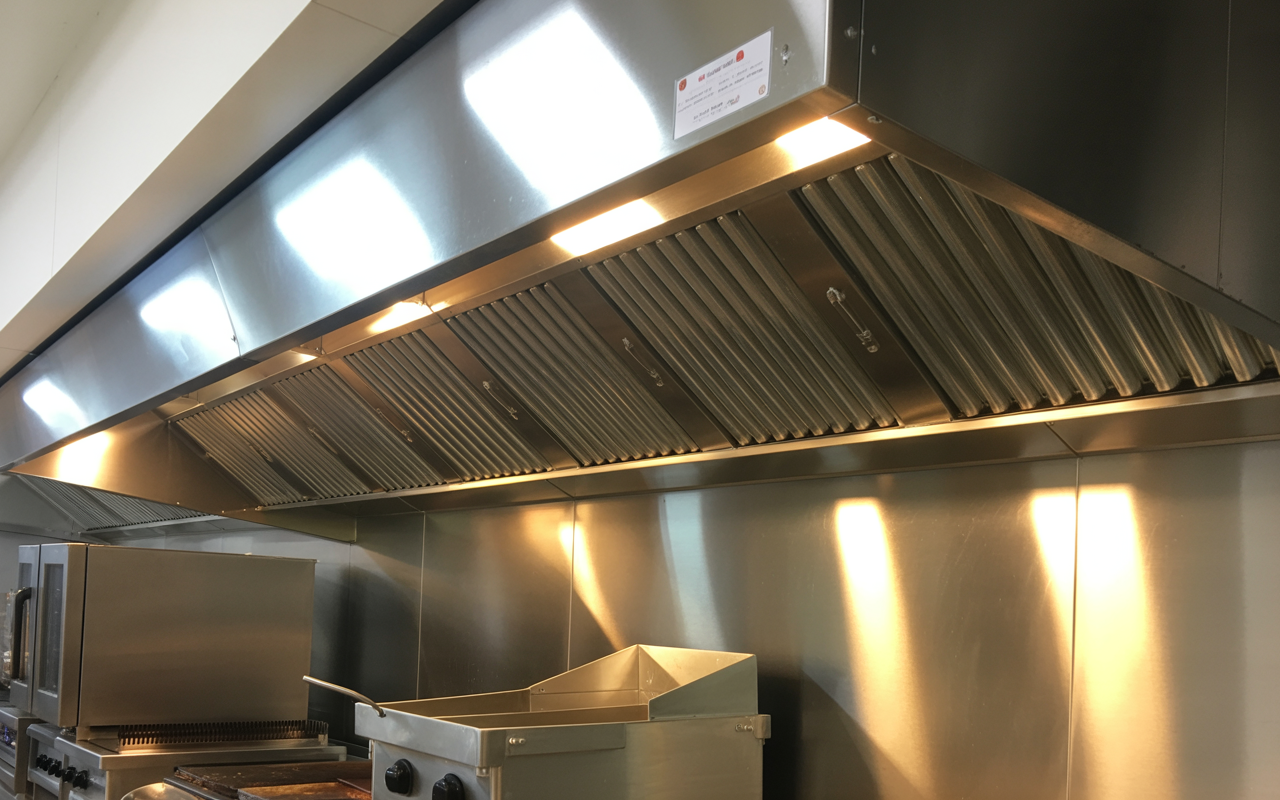
Homes near commercial kitchens can pick up more than just background noise. Cooking exhaust, grease-laden particles and strong odours can drift into nearby residences, especially when wind conditions, rooflines and shared air intakes bring air paths closer together.
The good news is that a well-designed home HVAC filtration setup can help manage what enters the indoor air stream. The most effective approach is usually a combination of particle filtration and carbon filtration, matched to the system’s fan capacity, housing size and the way the home is built.
Why cooking odours can travel into nearby homes
Commercial kitchens produce a mix of airborne particles and gaseous compounds. The particles may include fine grease, soot and dust, while odours come from the vapours released during frying, grilling, roasting and other high-heat cooking.
In a residential setting, these can enter through:
- •outdoor air intakes placed too close to exhaust outlets
- •windows, doors and gaps in the building envelope
- •roof spaces, wall cavities and service penetrations
- •mechanical ventilation systems that draw in outdoor air
Even if a home is not directly connected to a commercial kitchen, air movement around the building can carry these contaminants into living areas. That is why filtration at the home HVAC level is worth considering as part of a broader ventilation plan.
Start with particle filtration
Particle filters are the first line of defence for capturing airborne solids and grease aerosols before they spread through the home’s ductwork. They do not remove odour gases on their own, but they can reduce the load of sticky particles that often accompany kitchen emissions.
For homes near commercial kitchens, builders and homeowners should look for a filter that balances capture performance with airflow. A filter that is too restrictive for the system can reduce air delivery or increase fan strain, so the right selection depends on the equipment and housing.
Useful options may include:
- •pleated filters for better dust and particle capture than basic flat filters
- •deeper filters where the return-air cabinet allows more surface area
- •higher-efficiency filters selected with care so the system still moves air properly
If the home has a custom return-air setup or an unusual filter size, custom air filters can help achieve a proper fit. Correct fit matters because air bypass around the filter frame can undermine performance even when the filter media itself is suitable.
Choosing the right particle level
There is no single rating that suits every home. MERV, EN 779 and ISO 16890 are different rating systems and do not convert directly, so it is best to select based on the system design and the type of particles likely to be present. EN 779 classes such as G3/G4 and F5-F9 are still commonly referenced in Australia, although ISO 16890 has superseded EN 779 in many contexts.
For homes near kitchens, the key is not chasing the highest possible rating. It is choosing a filter that offers meaningful particle capture while still allowing the system to operate as designed. If the home uses a ducted system, the mechanical services engineer or builder should confirm what the equipment can handle.
Add carbon filtration for odour control
Particle filters capture solids, but cooking smells are often made up of gaseous compounds that pass straight through them. That is where activated carbon filtration becomes important.
Carbon filters are designed to adsorb odour molecules as air passes through the media. They are commonly used where smell control matters, such as homes close to food preparation areas, mixed-use buildings and apartments with shared air paths.
For practical use in a home HVAC system, carbon filtration is usually best when:
- •odours are the main complaint, not just dust
- •there is room in the system for an additional stage of filtration
- •outdoor air is brought into the home through a mechanical ventilation system
- •the building sits downwind of a commercial kitchen exhaust outlet
Carbon does not replace particle filtration. In most cases, the best result comes from combining both: a particle filter to capture grease-laden aerosols and a carbon stage to help reduce lingering odours.
Placement matters
The carbon stage should be positioned where air actually passes through it, not just near a grille or intake. Depending on the system, it may sit in the return-air path, in a fresh air intake module or in a dedicated filter housing.
If the house is being designed or renovated, this is the stage to discuss with the builder and mechanical services engineer. AS 1668.2:2024 is relevant to ventilation design, but site requirements should still be confirmed for the specific project and equipment arrangement.
Design considerations for builders
For new builds or renovations, the most effective odour-control strategy starts before the filter is selected. Builders can reduce future problems by thinking about air paths, intake placement and service access during the design stage.
A few practical points can make a big difference:
- •keep outdoor air intakes away from likely odour sources where possible
- •avoid placing intakes where kitchen exhaust from nearby premises can accumulate
- •allow enough space for a properly sized filter housing
- •provide easy access for inspection, removal and replacement
- •make sure the duct layout does not encourage bypass around the filter frame
A filter is only one part of the solution. Good building detailing helps reduce the chance that unwanted odours are pulled into the home in the first place.
If you are planning a project and need help matching filter size and style to the system, our products page is a useful place to start.
Maintenance and inspection
Filters used near commercial kitchens may load up faster than filters in a typical suburban setting, especially if grease aerosols and fine dust are present in the outdoor air. Inspection frequency depends on the system, site conditions and dust load, so it is best to monitor the filter condition rather than rely on a fixed schedule.
Follow the filter and equipment manufacturer instructions, and check pressure drop where gauges are fitted. Rising pressure drop can indicate that the filter is becoming restricted and may need attention.
A few maintenance tips worth following:
- •inspect the filter housing for gaps, damage or poor seals
- •check whether the carbon stage still has enough capacity for the odour load
- •keep the intake area clear of leaf litter and debris
- •replace or service filters according to the equipment instructions
- •if a filter is washable, use it only as directed by the product instructions
If access is difficult or the system is part of a shared building arrangement, professional filter servicing can help keep the setup in good working order.
Choosing the right approach for your home
There is no single filter that solves every kitchen-odour problem. The right setup depends on how close the home is to the commercial kitchen, how air enters the building, and whether the aim is to capture particles, reduce odours, or both.
A sensible starting point is:
- •particle filtration for grease and airborne solids
- •carbon filtration for odour control
- •proper housing and sealing to prevent bypass
- •regular inspection based on site conditions
For homes with unusual sizes or custom housings, how to measure an air filter can help you confirm the dimensions before ordering.
Talk to Total Air Filtration
Total Air Filtration is a family-owned air filter manufacturer and supplier in Hillcrest, Brisbane QLD. If you are a homeowner or builder dealing with lingering cooking smells near a commercial kitchen, we can help supply or make the right filters for the system.
Call 07 3800 3448 or request a quote. If you need to discuss a specific site, you can also contact us.
Written by
The Total Air Filtration Team
General information only — always follow the instructions for your filter and system. Have questions about this article? We're here to help.