
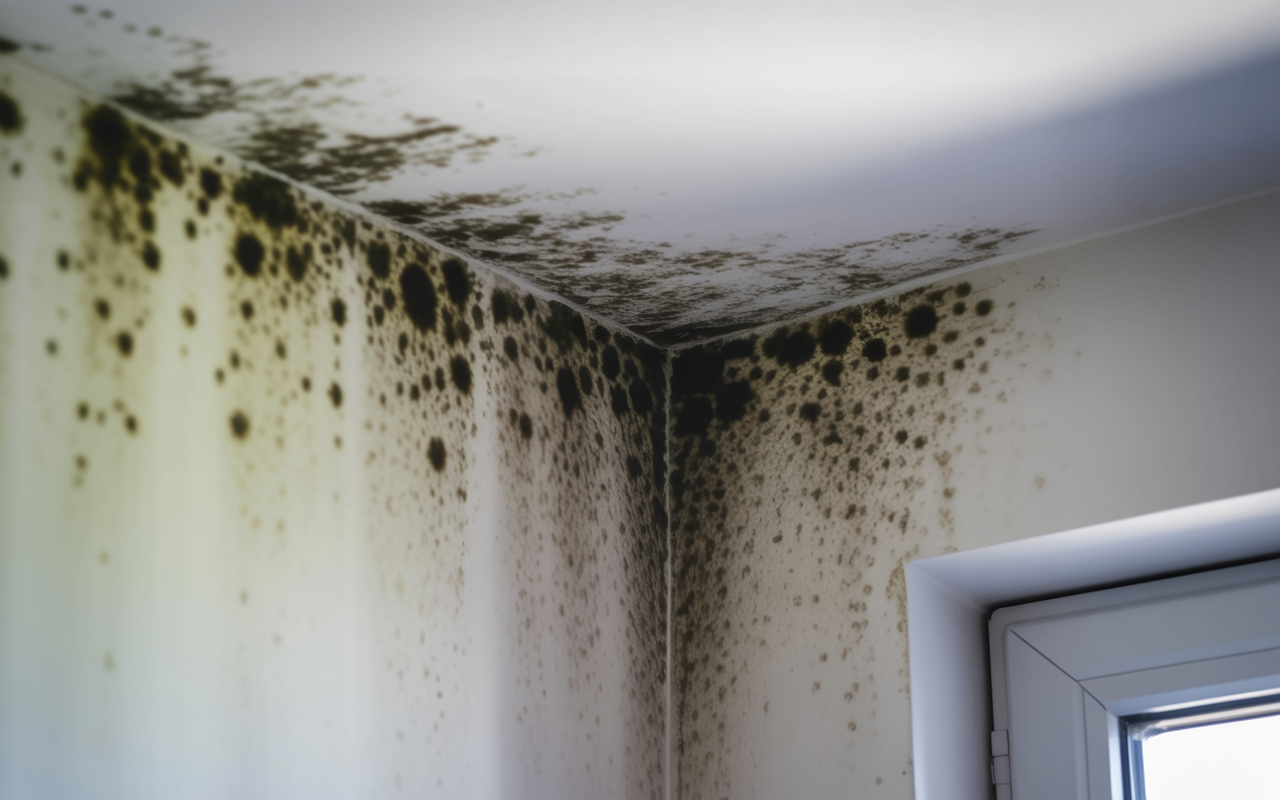
Air Quality in Humid Buildings: How Moisture Affects Particles and Smells
Humidity changes the way indoor air behaves. In homes and commercial buildings alike, moisture can make particles cling to surfaces, odours linger longer and filters load up faster than expected. If you manage a building or want a healthier-feeling home, understanding that link helps you choose the right filtration approach and look after your system properly.
How humidity changes particles in the air
Air always carries a mix of dry dust, fine particles and moisture. When humidity rises, some particles absorb water and become heavier or stickier. That can change how long they stay airborne, where they settle and how easily they pass through a filter.
In practical terms, humid conditions can lead to:
- •Dust and lint clumping together instead of remaining loose and easy to capture
- •Sticky surfaces that collect more grime and hold onto it
- •Fine particles that settle on furniture, walls and vents after the air cools or dries out
- •More visible build-up around supply registers, return grilles and fans
This does not mean humid air is always worse in every setting, but it does mean the type of particles present, and how they behave, can shift noticeably when moisture levels are high.
Why odours can seem stronger or longer-lasting
Odour control is often more complicated in humid buildings because moisture affects both the source of the smell and the way the air moves it around. Damp materials, slow-drying fabrics and wet dust can all hold onto smells for longer.
Common examples include:
- •Kitchens where cooking odours linger after the space has been used
- •Bathrooms, laundries and amenities areas where moisture keeps odour sources active
- •Plant rooms, basements and other enclosed spaces where dampness can collect
- •Offices or homes where soft furnishings absorb and release odours over time
Humidity can also make it harder for ventilation to clear a smell quickly if the building is already holding onto moisture. That is why odour management is usually a mix of source control, ventilation and suitable filtration, rather than relying on one fix alone.
What moisture does to filter performance
Filters are designed to capture particles, but humid conditions can change how quickly they load and how often they need attention. Sticky dust can build up on the media faster, especially in buildings with high occupancy, outdoor air intake, cooking areas or coastal conditions.
A few practical effects are worth watching:
- •Filter faces can become damp or tacky, which encourages dust to adhere unevenly
- •Loaded filters may restrict airflow sooner if the site has a high dust load
- •Moisture can make some dust types cake together, changing how they sit on the media
- •If water is entering the system, filters may be damaged or bypassed altogether
It is also important to match the filter to the system. Some applications need coarse pre-filters to catch larger material first, while others use finer filters downstream. In many buildings, a staged approach helps the system handle humidity-related loading more evenly.
If you are unsure what your system needs, our our products page is a useful place to start, and our custom air filters service can help when standard sizes are not the right fit.
Building conditions that make humid air harder to manage
Moisture problems often come from the building itself, not just the weather outside. That is why air quality in humid buildings is usually a whole-system issue.
Watch for these common conditions:
- •Poorly drained areas near entries, service zones or basements
- •Condensation on ductwork, windows, cold surfaces or chilled equipment
- •Insufficient ventilation in bathrooms, kitchens, change rooms or meeting spaces
- •Dirty or undersized filters that allow dust to circulate and settle
- •Wet cleaning methods that leave surfaces damp for too long
If a building has repeated odour complaints, visible moisture or dusty grilles despite regular cleaning, it is worth checking whether the filtration setup, ventilation balance and moisture control are working together.
AS 1668.2:2024 is relevant for ventilation in many Australian buildings, but site requirements should be confirmed with the mechanical services engineer or building owner.
Practical steps for homeowners and facility managers
The most useful approach is to treat humidity as part of the air quality picture, not as a separate problem. Small adjustments to maintenance and operation can make a real difference to how the building feels and performs.
Check the source of the moisture
Look for leaks, condensation, blocked drains, wet carpets, poor exhaust in wet areas and outdoor air paths that bring in damp air. Fixing the source is usually more effective than trying to mask the result.
Inspect filters based on conditions
Replacement timing should depend on the system, the dust load and the site conditions. Follow the filter and equipment manufacturer instructions, and monitor pressure drop where gauges are fitted. In humid or dusty sites, filters may need attention sooner than in cleaner, drier spaces.
Keep ducts, grilles and housings clean
Even a good filter cannot help much if dirty material is bypassing it or building up in the system. Keep return air grilles, housings and accessible duct sections clean so the filter can do its job properly.
Use the right filter grade for the application
Different systems call for different levels of filtration. Some older systems still use EN 779 classes such as G3, G4 or F5-F9, while many newer specifications use ISO 16890. These ratings do not convert directly, so check the actual requirement rather than assuming one label is equivalent to another.
Don’t ignore damp filters
A filter that has become wet, collapsed or contaminated by water should be assessed and replaced if needed. Some filters are designed to be washable - check the product instructions before attempting to clean them.
Plan around the building’s use
A school, office, warehouse, café or residential building will all create different moisture and particle loads. The right maintenance plan should reflect how the building is occupied, what the air handlers are drawing in and what kinds of activities happen inside.
When to review your filtration setup
It is a good time to review your setup if you notice any of the following:
- •Odours lingering longer than they used to
- •Filters loading unevenly or becoming dirty faster than expected
- •Visible dust around vents, returns or ceiling spaces
- •Condensation around HVAC components
- •A change in use, occupancy or moisture levels in the building
If the system is struggling, reviewing the filter type, housing fit and maintenance routine can make a worthwhile difference. Our filter servicing and commercial filter servicing pages explain how we support different building types.
Talk to Total Air Filtration
Total Air Filtration is a family-owned air filter manufacturer and supplier in Hillcrest, Brisbane QLD, established 2009. If you need help selecting the right filter for a humid building, or want advice on a replacement size or setup, we can supply or make the right filters for your application.
Call 07 3800 3448 or request a quote. You can also contact us for help with your next maintenance review.
Written by
The Total Air Filtration Team
General information only — always follow the instructions for your filter and system. Have questions about this article? We're here to help.