
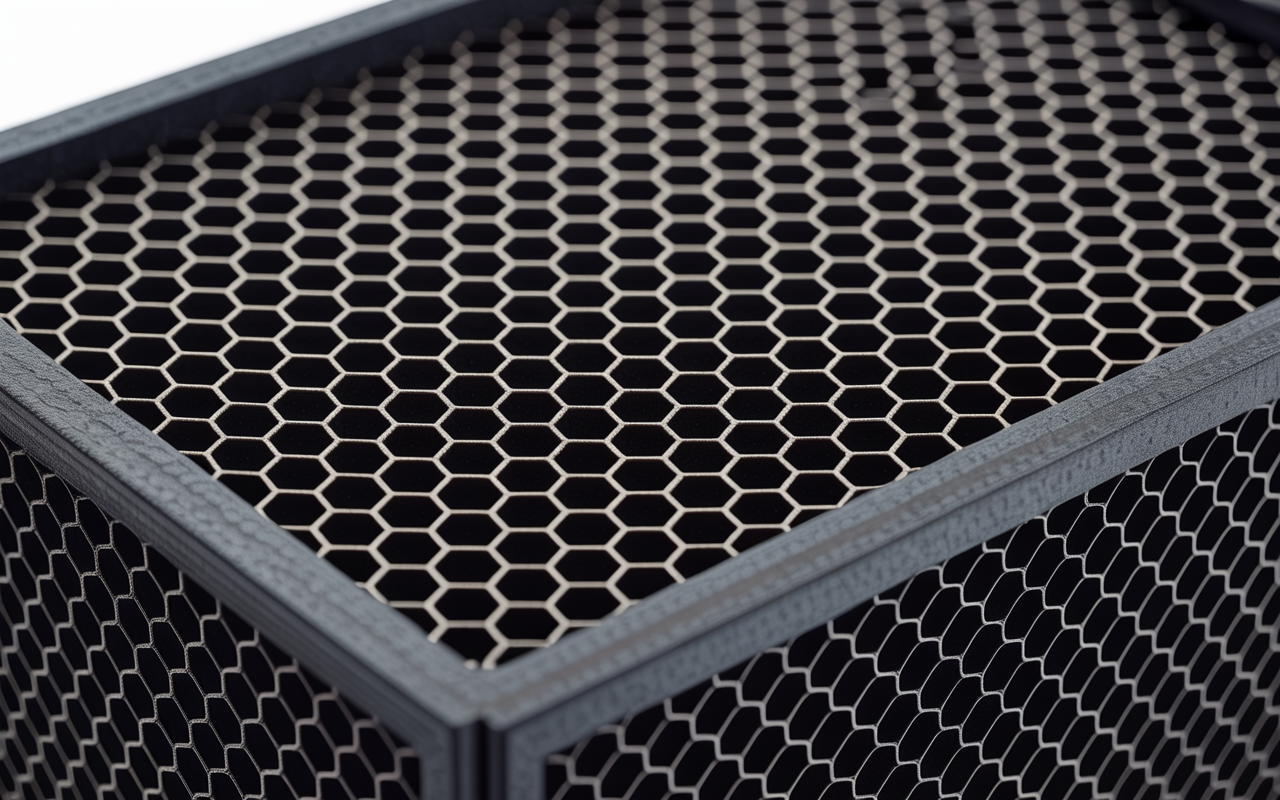
Air Filtration for Queensland Homes with Indoor Fireplaces Used in Winter
Queensland winters may be mild compared with southern states, but many homes still use indoor fireplaces or wood heaters when the temperature drops. That can bring warmth and atmosphere, along with smoke, fine ash and soot that can settle inside ductwork, on grilles and on standard filters if the system is not set up with the right balance.
For homeowners and mechanical contractors, the aim is straightforward: capture the extra particles that come with fireplace use while keeping airflow, fan load and maintenance practical for the system in place.
What changes when a fireplace is used indoors
A fireplace or wood heater introduces a different particle load from everyday dust. Even when the fire is burning cleanly, the air nearby can carry very fine particles and visible residue that may be pulled into the return air path if the home has ducted heating, cooling or mechanical ventilation.
In homes with fireplaces, common issues include:
- •smoke odour drifting through occupied rooms
- •fine ash settling around returns, supply registers and nearby surfaces
- •filters loading more quickly than they would in a home without solid-fuel heating
- •dust and soot marking ducts, fan components and grilles if maintenance is neglected
The challenge is not just filtration. It is matching the filter to the airflow available in the system. A filter that is too restrictive for the fan and duct arrangement can reduce delivered air, increase pressure drop and make the system harder to run comfortably.
Choosing a filter that captures smoke and ash without overloading the system
For most Queensland homes, the starting point is to use the highest performing filter the system can reasonably handle. That may be a deeper pleated panel, a more robust media filter, or a purpose-made cartridge arrangement in a suitable cabinet. The right choice depends on the fan, filter frame size, available face area and the pressure drop the equipment can support.
When smoke and ash are a concern, look for filters that are intended to capture finer particles rather than only large household dust. In practical terms, that usually means moving beyond a very coarse filter where the system allows it, but not jumping straight to the most restrictive option without checking the fan curve and the installation.
For homes with ducted systems, mechanical contractors should consider:
- •the available filter face area
- •how much resistance the fan can handle at the operating airflow
- •whether the return air path is already tight or undersized
- •whether the system has room for a deeper filter bank or cabinet
- •the amount of dust and ash the home is likely to generate during winter use
If the original filter slot is small, a more efficient filter in that space may load quickly. In that case, a larger filter area or a custom arrangement can be a better solution than simply choosing a denser media.
Keep smoke capture focused at the return air path
In many homes, the best place to address fireplace-related particles is at the return air filter. That is where airborne smoke and ash are most likely to be drawn into the HVAC system. Good return-side filtration helps protect coils, fans and duct interiors from buildup while keeping maintenance in one accessible location.
This is also where practical installation details matter:
- •seal the filter frame properly so air does not bypass the media
- •ensure the filter sits squarely in the rack or cabinet
- •check that access panels close correctly after service
- •avoid makeshift modifications that create leaks around the filter edges
If a home has several returns or a zoning arrangement, filter placement should be considered carefully. One undersized or poorly sealed return can allow ash-laden air to bypass the intended filter path.
For contractors working on upgrades, our products and custom air filters can help when a standard size is not a good fit for the existing cabinet or slot.
Managing airflow, pressure drop and fan load
A fireplace-friendly filtration approach should never ignore the rest of the system. As the filter captures smoke and ash, resistance will rise. If the filter loads too far, the fan may need to work harder to move air through the system.
That is why inspection matters more than a fixed calendar. How often a filter needs attention depends on the system design, the local dust load, fireplace usage and the length of the heating season. Follow the filter and equipment manufacturer instructions, and monitor pressure drop where gauges are fitted.
Useful checkpoints include:
- •checking the filter sooner during periods of frequent fire use
- •watching for a rise in pressure drop across the filter bank
- •listening for changes in fan sound that may suggest higher resistance
- •inspecting for bypass dust around the frame, especially after filter changes
If you are designing or reviewing a ventilation setup, site requirements should be confirmed with the mechanical services engineer or building owner. For projects governed by ventilation requirements, AS 1668.2:2024 may be relevant, but the installation still needs to suit the specific home and equipment.
Maintenance tips for homes that burn wood in winter
Fireplace and wood-heater homes benefit from a bit more attention around the filter and surrounding components. A good routine is simple and practical.
- •Inspect the filter during the heating season and after periods of heavy fire use.
- •Check that the filter frame, rack and access door are clean and sealed.
- •Vacuum loose ash near returns and grilles before it migrates deeper into the system.
- •Replace or service components that show signs of warping, bypass or heavy loading.
- •If a product is labelled as washable, follow the product instructions carefully before cleaning and reinstalling it.
It is also worth remembering that not all dust in a fireplace home comes from the fire itself. Firewood handling, external openings and general household dust all contribute to the overall load. That means a filter that works well in summer may need closer attention in winter.
For owners who want a better fit between the filter and the equipment, how to measure an air filter is a useful place to start before ordering replacements.
When to ask for a custom solution
A standard-size filter is not always the best answer, especially in older Queensland homes or retrofits with limited return air space. If the cabinet is shallow, the return is undersized or the existing arrangement leaks around the edges, a custom solution can improve fit and serviceability.
Custom filters are often worth considering when:
- •the return grille size does not match common filter dimensions
- •the system has limited filter depth
- •smoke and ash loading is higher than average
- •access for replacement is awkward
- •the home uses multiple heating and cooling modes in the same ducted system
The goal is not to force the highest possible efficiency into a poor installation. The goal is to choose a filter arrangement that actually works in the space available, captures particles effectively and can be maintained without strain on the equipment.
If you are unsure which path suits a particular home, filter servicing can help keep the system in shape, while contractors working across multiple sites may also find commercial filter servicing useful for more complex maintenance planning.
Talk to Total Air Filtration
Total Air Filtration is a family-owned air filter manufacturer and supplier based in Hillcrest, Brisbane, and we work with homeowners and mechanical contractors across Queensland. If you need help selecting the right filter for a fireplace-used home, or you need a custom size that suits the existing HVAC setup, we can assist.
Call 07 3800 3448 or request a quote and we will help you find a practical filter solution for smoke, ash and winter heating use.
Written by
The Total Air Filtration Team
General information only — always follow the instructions for your filter and system. Have questions about this article? We're here to help.