
Air Filtration for Bathroom Renovations: Managing Plaster Dust and Moisture
Bathroom renovations can be messy in ways that go beyond the room itself. Fine plaster dust can spread through the home, while cutting, sanding and fresh finishes can also introduce intermittent moisture and odour into the air path.
For homeowners, renovators and property managers, the main challenge is keeping ventilation and air conditioning equipment working properly while the job is underway. The right filter strategy, good site housekeeping and a few practical checks can make a noticeable difference to how your system handles the load.
Why bathroom renovations are hard on air filters
Bathroom upgrades often create a mix of very fine dust and temporary humidity that can affect supply air paths, return grilles and fan systems.
Plaster dust is particularly troublesome because it is light, fine and easily carried by moving air. Once it enters ductwork or lands on a filter, it can quickly build resistance and restrict airflow if the filter is not suited to the dust load.
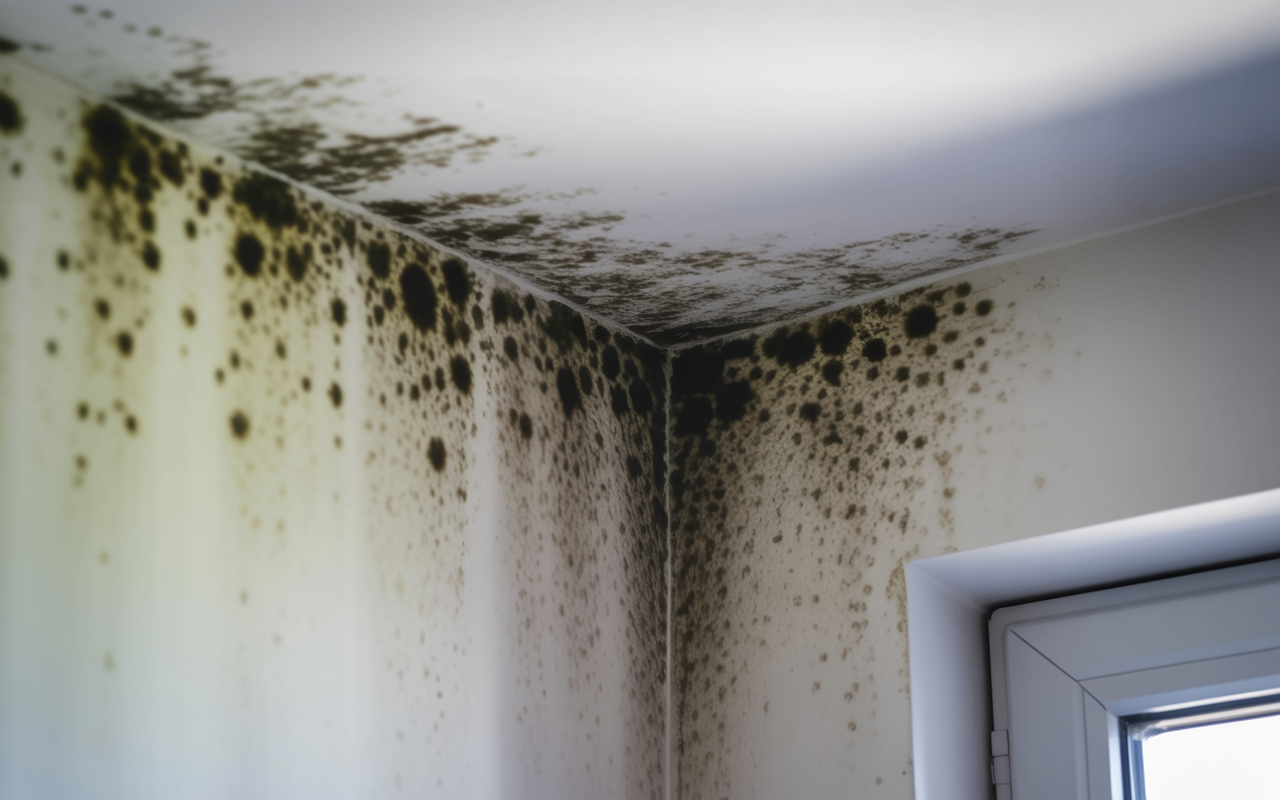
Moisture adds another layer of complexity. Steam from wet work, cleaning, shower testing or curing materials can increase humidity in the renovation area. If air is pulled through damp dust, that material can clump on the filter media or on nearby surfaces.
A few common risk points include:
- •return air grilles near the work zone
- •fan coils and ducted systems serving nearby rooms
- •bathroom exhaust fans that are left running while sanding or cutting is under way
- •temporary dust barriers that still allow fine particles to migrate
Choosing the right filter approach for the job
Not every system needs the same filter during a renovation. The right choice depends on the equipment, the filter frame size, the dust being generated and how much airflow the system needs to maintain.
If the bathroom project is producing a lot of fine dust, a higher-efficiency filter may be appropriate for the temporary conditions, provided the system can handle the added resistance. In other situations, a pre-filter arrangement or a dedicated temporary dust-control setup may be more practical.
If you are measuring up for a replacement filter, our guide on how to measure an air filter is a useful place to start. For non-standard sizes, custom air filters can help when the original dimensions are no longer available or the application needs something specific.
A few selection points to keep in mind:
- •check the filter size, frame depth and seal arrangement before ordering
- •consider whether the system needs a temporary construction filter rather than the usual everyday filter
- •match the filter choice to the expected dust load and the available fan capacity
- •follow the equipment manufacturer’s instructions for the system in use
Managing moisture without creating airflow problems
Bathroom renovations can bring short bursts of humidity from demolition, wet trades, adhesive curing and cleaning. That moisture does not just affect finishes; it can also change how dust behaves in the air.
The goal is to manage humidity without forcing contaminated air through the wrong parts of the system. Good ventilation and sensible containment are usually more effective than simply running every available fan at once.
Practical steps include:
- •keep the work area as sealed as possible with dust barriers that still allow safe access
- •use extraction or ventilation in line with the room setup and the site plan
- •avoid drawing renovation air straight through the home’s return air system if it is not designed for that purpose
- •remove wet dust and slurry promptly so it does not dry on surfaces or filters
- •make sure exhaust outlets are not blocked by plastic sheeting, materials or stored items
If the project is part of a larger building, AS 1668.2:2024 may be relevant to the ventilation arrangement, but site requirements should always be confirmed with the mechanical services engineer or building owner.
Protecting HVAC filters during sanding and cleanup
The biggest filter stress often happens during surface preparation and final cleanup. Sanding plaster, patching walls and sweeping up debris can send a wave of fine particles into the air long after the power tools are off.
That is why filter checks should be part of the renovation plan. Inspection frequency depends on the system, the site conditions and the amount of dust being generated. Where pressure gauges are fitted, monitor pressure drop and compare it with the equipment manufacturer’s guidance.
Useful habits during the job include:
- •inspect filters before the dusty work begins so you know their starting condition
- •check them again after heavy sanding or demolition
- •keep spare filters on hand if the system is expected to run through the renovation
- •replace or service the filter when the manufacturer’s instructions or measured pressure drop indicate it is time
- •avoid opening access panels unnecessarily, as that can release captured dust back into the system
Some filters are designed to be washable - check the product instructions before attempting to clean or reuse them. If you are unsure whether a filter is suitable for renovation conditions, ask for advice before installing it.
Don’t overlook exhaust fans and temporary filtration
Bathroom exhaust fans also need attention during renovations. Dust can settle on fan housings, grilles and duct runs, and moisture can affect how well those components continue to move air.
If the room is being used heavily for sanding or cutting, a temporary filtration or extraction setup may be more appropriate than relying on the permanent bathroom fan alone. In shared homes or occupied properties, it can also help to reduce dust migration into adjacent rooms.
For property managers, it is worth planning ahead so the building’s maintenance team knows which filters are in place, which areas are affected and when the equipment should be checked after the work is complete.
If the system needs ongoing attention once the renovation is finished, our filter servicing page explains how we support filter maintenance and replacement planning. For larger sites, commercial filter servicing may be a better fit.
Returning the system to normal after the work is done
Once the bathroom is complete, do not assume the system is ready to go straight back to normal use. Fine dust can remain in grilles, returns and housings even after the visible mess has been cleared.
A sensible handover process includes:
- •checking the filter condition and replacing it if it is loaded with plaster dust
- •cleaning surrounding grilles, access doors and exposed surfaces
- •confirming that damp materials have dried properly before closing up the area
- •checking that airflow feels normal at supply registers and exhaust points
- •reviewing whether the ongoing filter type still suits the finished space
If the renovation has changed the room layout, ventilation pattern or equipment access, it may also be worth reviewing the filter size and fit again. A filter that works well for one setup may not be the best option after a bathroom redesign.
Need the right filters for a bathroom renovation?
Total Air Filtration is a family-owned air filter manufacturer and supplier in Hillcrest, Brisbane QLD, and we can help with practical filter options for renovation dust and airflow challenges. If you need advice on sizing, temporary construction filters or replacement products, call 07 3800 3448 or request a quote.
You can also view our products or get in touch through contact us if you want help matching a filter to your system and site conditions.
Written by
The Total Air Filtration Team
General information only — always follow the instructions for your filter and system. Have questions about this article? We're here to help.