
Add-On Odour Filters for Split Systems in Apartments Near Busy Roads
If you live in an apartment near a busy road, the complaint is often not dust alone. Traffic fumes, food odours from neighbouring units, and general stale air can make a split system feel like it is moving smell around instead of making the room comfortable.
For these situations, a compact add-on odour filter can be a practical option. It is usually designed to work with the indoor unit and target gaseous odours, while the main filter continues doing the job of catching larger airborne particles.
Why odours are a different problem from dust
A standard split system filter is mainly there to catch lint, fluff and larger particles before they build up inside the indoor unit. That helps the system stay cleaner and keeps airflow moving more freely, but it does not necessarily deal with smells.
Odours are different because they are caused by gases and very fine airborne compounds, not just visible dust. That is why a room can look clean but still feel unpleasant when the windows are shut and the air conditioner is recirculating air.
In apartment settings, the most common complaints often come from:
- •Road traffic fumes drifting in through windows, balconies or gaps around doors
- •Food odours from nearby kitchens or shared corridors
- •Cigarette smoke or other strong smells that enter from neighbouring areas
- •General stale air where the room has limited natural ventilation
A carbon-based add-on filter can help by providing an extra layer of adsorption for odour molecules. It will not solve every ventilation issue, but it can be a useful part of a broader approach.
How add-on odour filters work in split systems
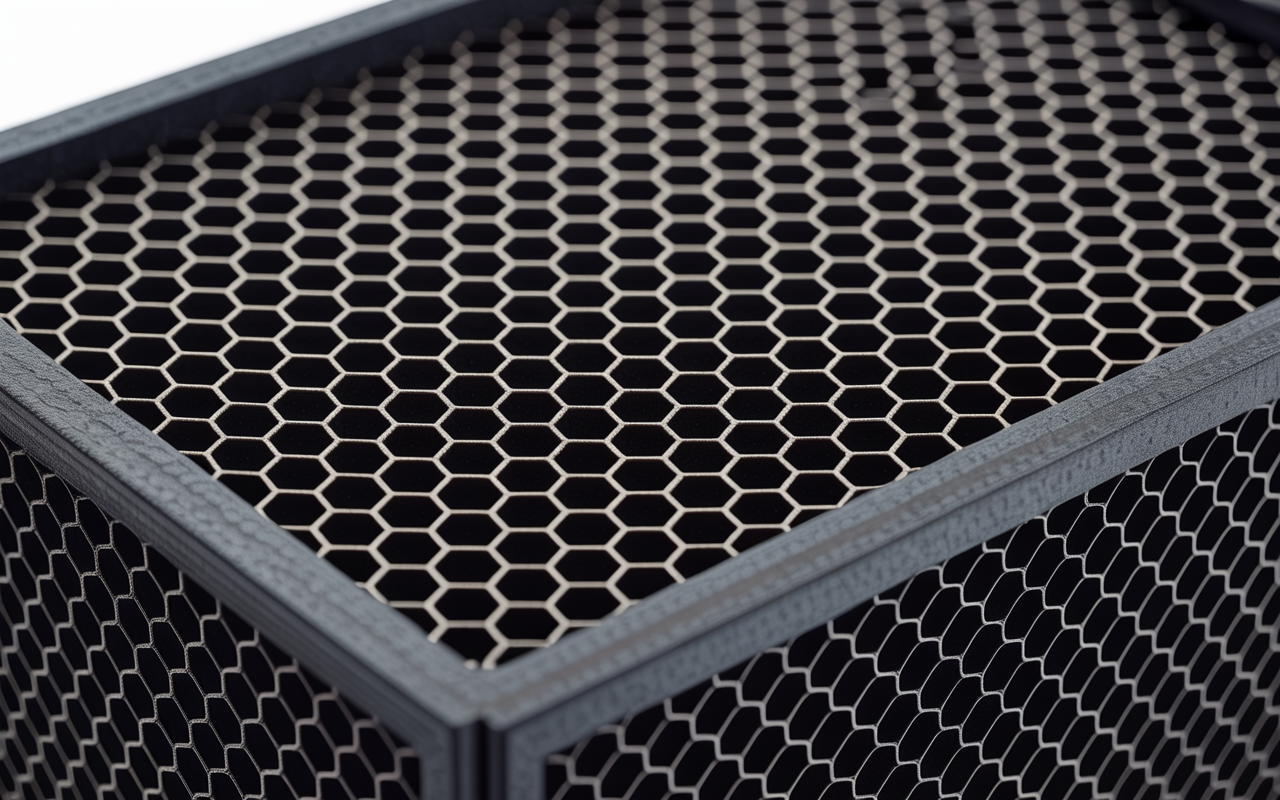
Many add-on odour filters use activated carbon or a similar carbon-based media. The carbon has a porous structure that gives odour compounds more surface area to contact as air passes through.
These products are usually compact and intended for the indoor unit. Depending on the system, they may sit in front of or alongside the existing filter, or be fitted into a purpose-made holder. The exact arrangement depends on the make and model of the air conditioner, so it is important to check the equipment instructions before fitting anything.
A few practical points matter:
- •The filter must fit the indoor unit properly without blocking the airflow path
- •The system should still be able to close and service correctly after installation
- •Pressure drop should be monitored where gauges are fitted
- •The added media should suit the smell issue you are trying to address, not just the size of the filter opening
If the apartment has a sensitive setup or a limited filter compartment, a custom solution may be more suitable. You can browse our products or look into custom air filters if the standard size is not a match.
What these filters can and cannot do
A compact odour filter can be helpful when smells are the main issue, but it is worth being realistic about what it can achieve.
It can:
- •Capture some airborne odour compounds as air passes through the media
- •Help reduce the smell that is recirculated through the room
- •Work alongside the standard filter already in the split system
It cannot:
- •Fix poor ventilation on its own
- •Remove a strong odour source in another unit or outside the building
- •Replace regular maintenance of the air conditioner
- •Guarantee a completely odour-free room
If odours are entering through building openings, the source and air movement paths should be checked as well. In some apartments, a simple seal around a door or a change to operating habits can make a difference alongside the filter.
Choosing the right filter for your apartment
The right add-on depends on the problem you are trying to solve and how the split system is built.
Match the filter to the complaint
If traffic fumes are the main issue, look for a compact carbon filter designed for odour control rather than a dust-only pad. If cooking smells are the concern, the same approach may help, but the size and airflow of the unit still matter.
Check the fit and access
A filter that is too bulky can make servicing awkward or reduce airflow. Before ordering, check the unit model and the available space around the filter slot. If you are unsure how to measure, our guide on how to measure an air filter may help.
Think about maintenance
Some filters are designed to be washable - check the product instructions. Others are replaceable media cartridges or pads. Inspection frequency depends on the system, site conditions and dust load, so it is best to monitor the unit and follow the filter and equipment manufacturer instructions.
If pressure gauges are fitted, they can help indicate when a filter is becoming loaded. That is more useful than guessing based on the calendar.
When to consider professional help
If the apartment has persistent odour issues, it may be worth getting advice before buying the first filter that looks like it might fit.
A few situations where help is useful include:
- •The indoor unit has a non-standard filter arrangement
- •The air conditioner is built into a tight cavity with limited access
- •The building owner or strata manager needs to approve changes
- •You want to check whether the issue is odour, dust, or both
For shared buildings, ventilation and air movement can also come into play. Where site requirements need to be checked against ventilation design, AS 1668.2:2024 may be relevant, but the exact requirements should be confirmed with the mechanical services engineer or building owner.
If the system also needs general cleaning or filter replacement support, filter servicing can help keep things on track.
A practical approach for tenants and apartment owners
A good odour control setup is usually simple and specific. Start by identifying where the smell is coming from, check the indoor unit model, and then choose a compact add-on that suits the airflow and available space.
For tenants, it is often best to speak with the owner or strata manager before modifying the unit. For owners, it can be worth keeping a record of the exact filter type and size so future replacements are easier.
If the same apartment also serves as a home office, a compact odour filter may improve day-to-day comfort without changing the whole system. Just keep in mind that it works best as part of regular maintenance, sensible ventilation, and correct fitment.
Need help choosing the right add-on filter?
Total Air Filtration is a family-owned air filter manufacturer and supplier in Hillcrest, Brisbane QLD, established 2009. We can help supply or make the right filter for your split system, including compact odour-focused options for apartment use.
Call 07 3800 3448 or request a quote. You can also contact us if you need help matching a filter to your unit.
Written by
The Total Air Filtration Team
General information only — always follow the instructions for your filter and system. Have questions about this article? We're here to help.